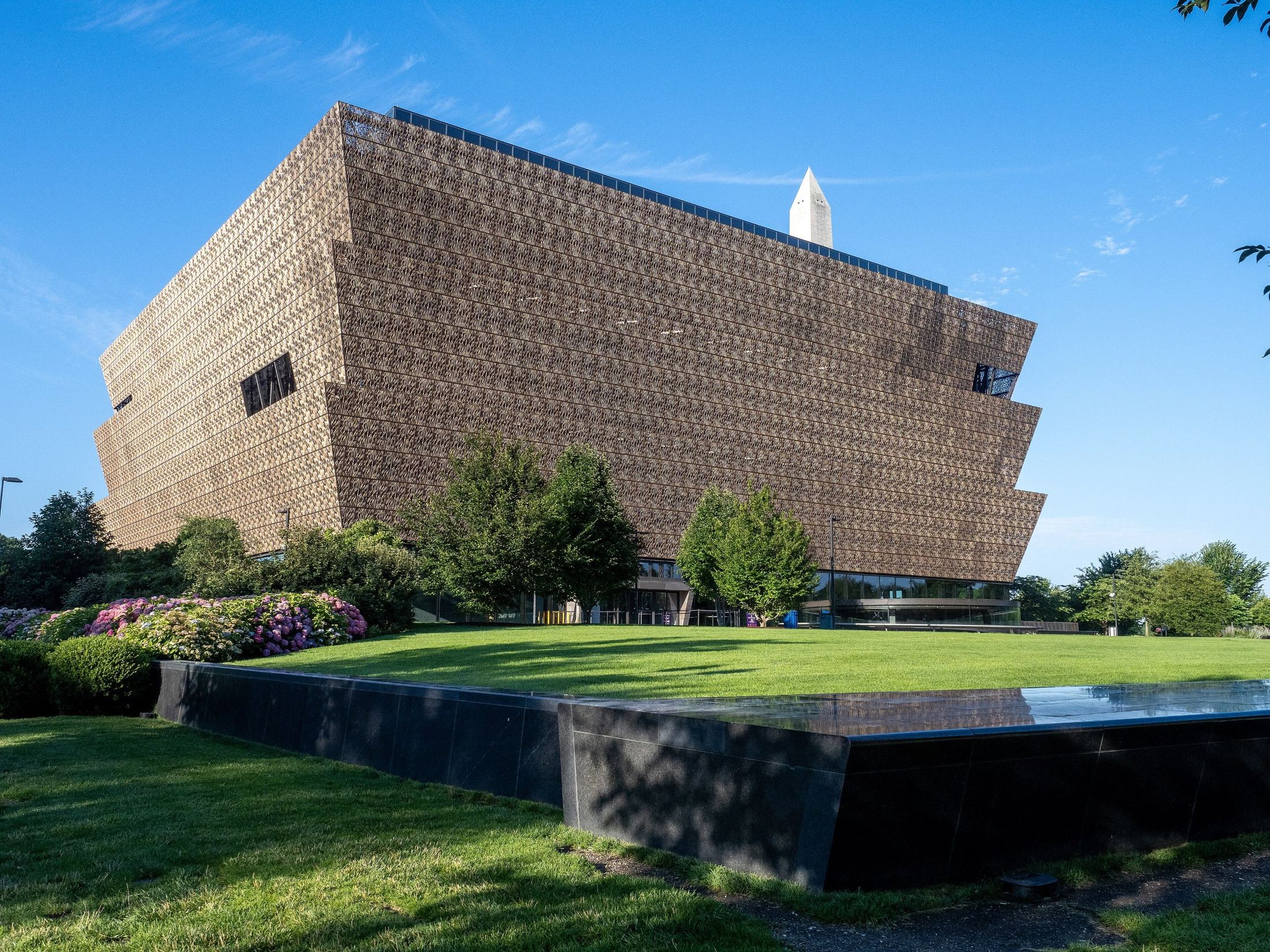
 Photo: Ajay Suresh, 2024, CC BY 2.0, via Wikimedia Commons, cropped
Black History Month 2027
February 1–28
Photo: Ajay Suresh, 2024, CC BY 2.0, via Wikimedia Commons, croppedWhen is Black History Month, why February, and who started it. Direct answers first, then the full history, with sources beside every claim.
Why February?Frederick Douglass, Sojourner Truth, Booker T. Washington, Langston Hughes, Malcolm X, Fannie Lou Hamer, and more, each linked to an official record.
Important peopleTwenty-two museums and historic sites, from the Smithsonian on the National Mall to Africatown in Mobile and Greenwood Rising in Tulsa.
Museums and sitesFrom abolition to civil rights: six lives, in order, across 150 years of the American story.
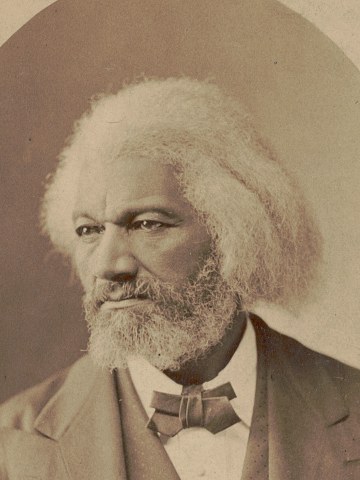
Abolitionist and author, born enslaved in 1818
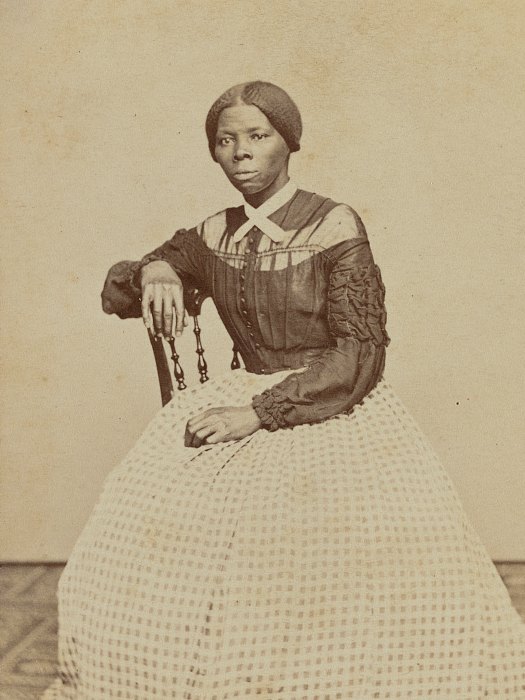
Led dozens to freedom on the Underground Railroad
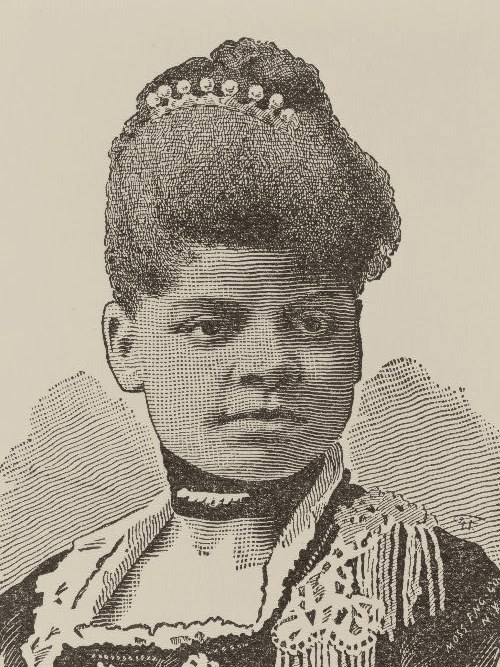
Journalist who exposed lynching, starting in 1892
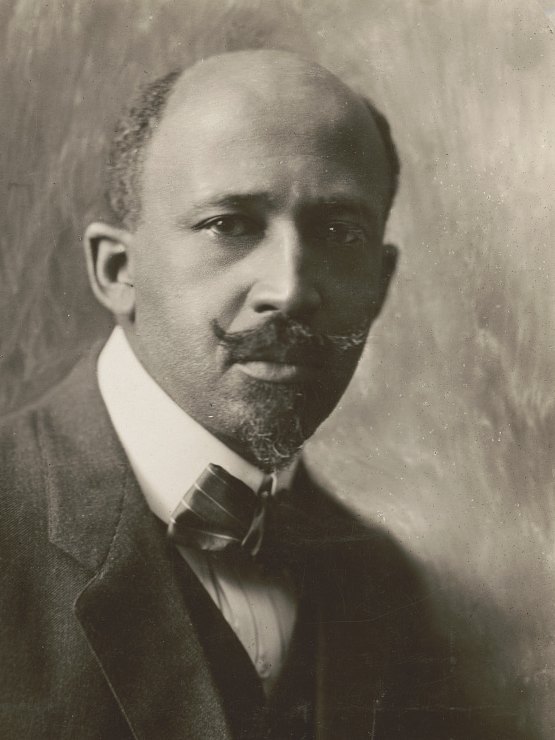
Scholar, NAACP founder, editor of The Crisis
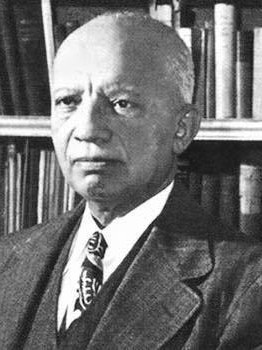
Historian who founded Negro History Week in 1926
Gave the “I Have a Dream” speech, 1963
From that moment, I understood the pathway from slavery to freedom.
…a true, unvarnished account of the causes of lynch law in the South.
Black History Month runs February 1–28, 2027, in the United States. Learn when it started, why it's in February, and how it became official.
Historian Carter G. Woodson started Negro History Week in 1926. Kent State students turned it into a month in 1970. Here is how Black History Month began.
Black History Month is in February because Carter G. Woodson built it around Lincoln's and Douglass's birthdays. Here is the history behind the choice.
Meet twenty-four people who shaped Black American history, from Frederick Douglass and Sojourner Truth to Malcolm X, Fannie Lou Hamer, and Maya Angelou, with sources.
Thirty-two verified facts about Black American history, from 1619 to today, each linked to the National Archives, Library of Congress, National Park Service, or Census Bureau.
A sourced timeline of Black American history from 1619 to 2026, covering slavery, Reconstruction, the Great Migration, civil rights, and today.
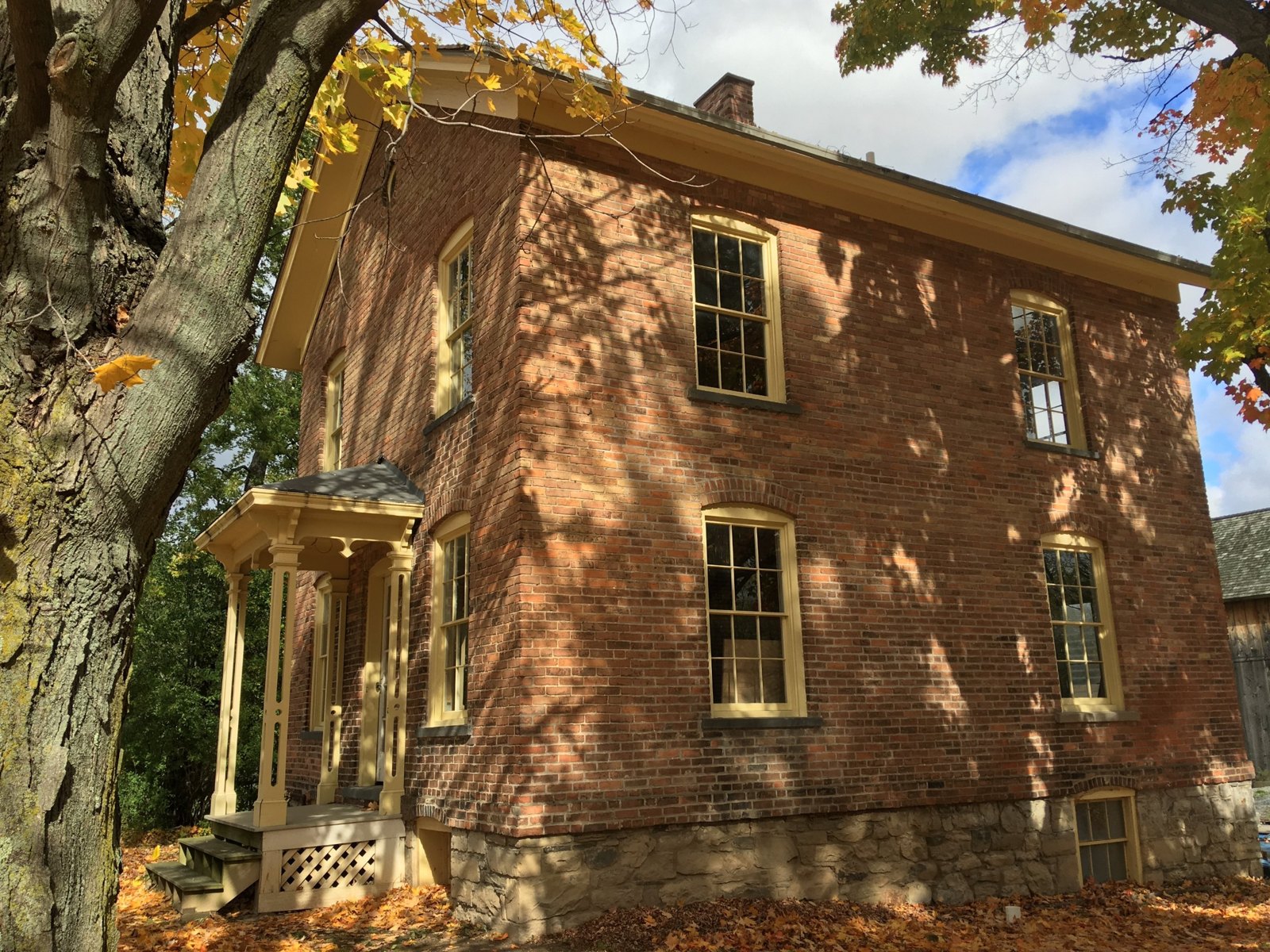
A guide to Black history museums and historic sites across the United States, from the Smithsonian's NMAAHC to Africatown, Greenwood Rising, and Cedar Hill.
Find Black History Month 2027 events: ASALH's national festival, Smithsonian programs, National Park Service sites, and city-by-city listings.
Black history is also poetry, music, scholarship, enterprise, sport, and flight.
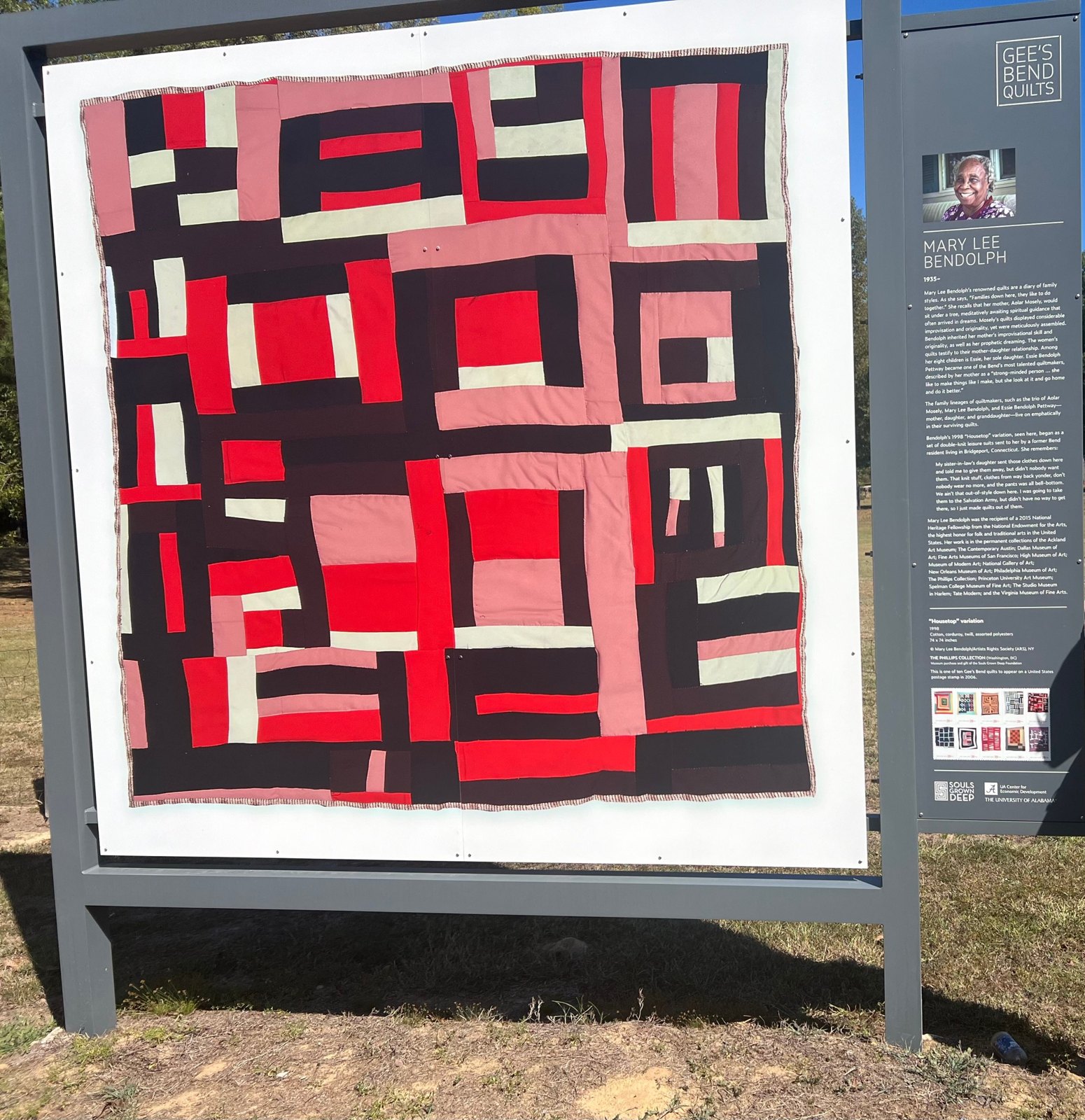
In a bend of the Alabama River, descendants of people enslaved on a cotton plantation turned a quilting tradition into art shown in America's great museums. The Postal Service put their quilts on stamps in 2006, and three of the quilters received the nation's highest folk-arts honor in 2015.
Visit Gee's Bend and buy from the quiltersEncyclopedia of Alabama · USPS · National Endowment for the ArtsPhillis Wheatley, enslaved in Boston, published Poems on Various Subjects, Religious and Moral in London at about age twenty.
Library of CongressStudents who toured to save their university, sang for Queen Victoria in 1873, and raised nearly $50,000 for Jubilee Hall.
Tennessee Encyclopedia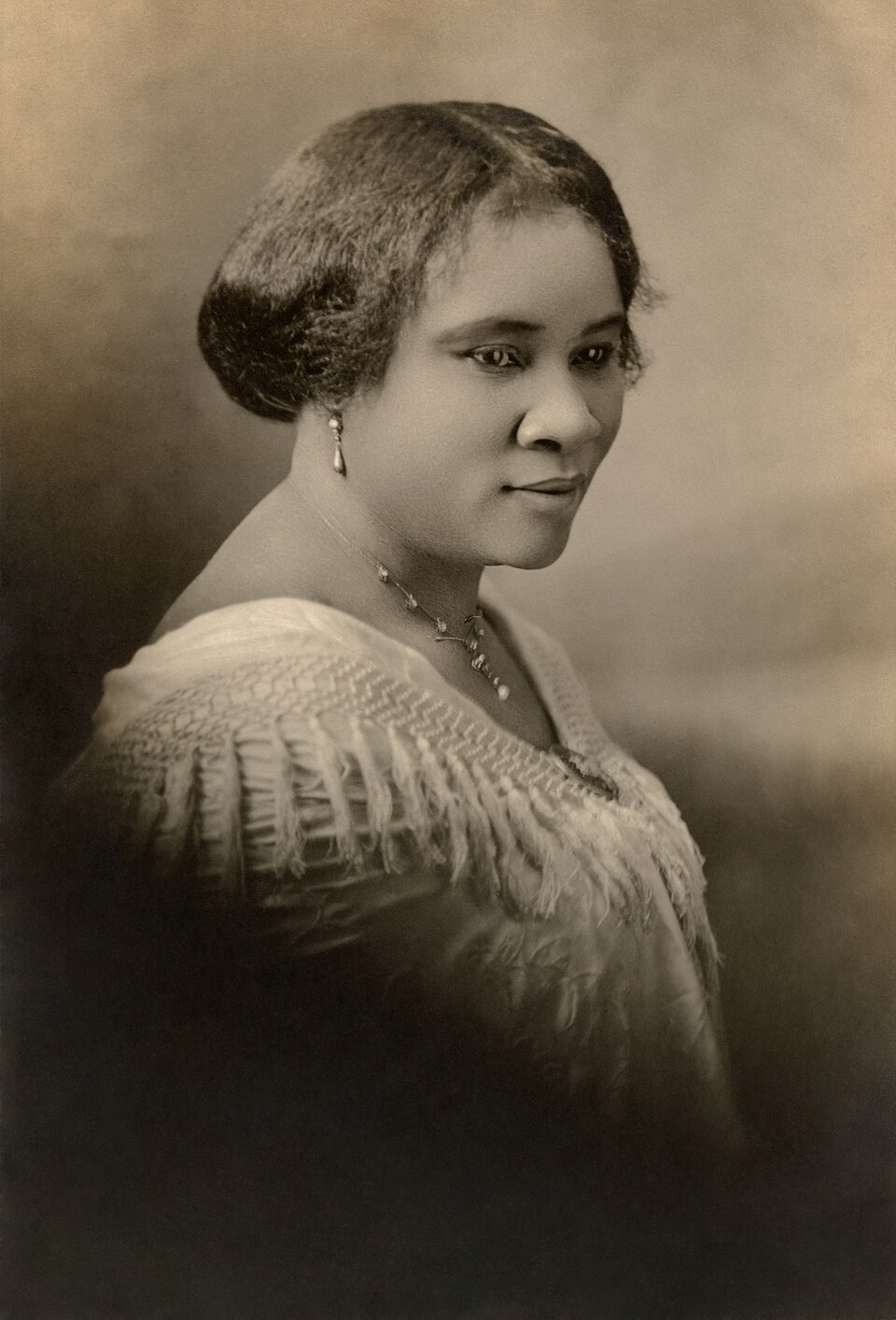
Born Sarah Breedlove in 1867, she built a hair-care company with about 20,000 trained sales agents and gave widely to Black schools.
Smithsonian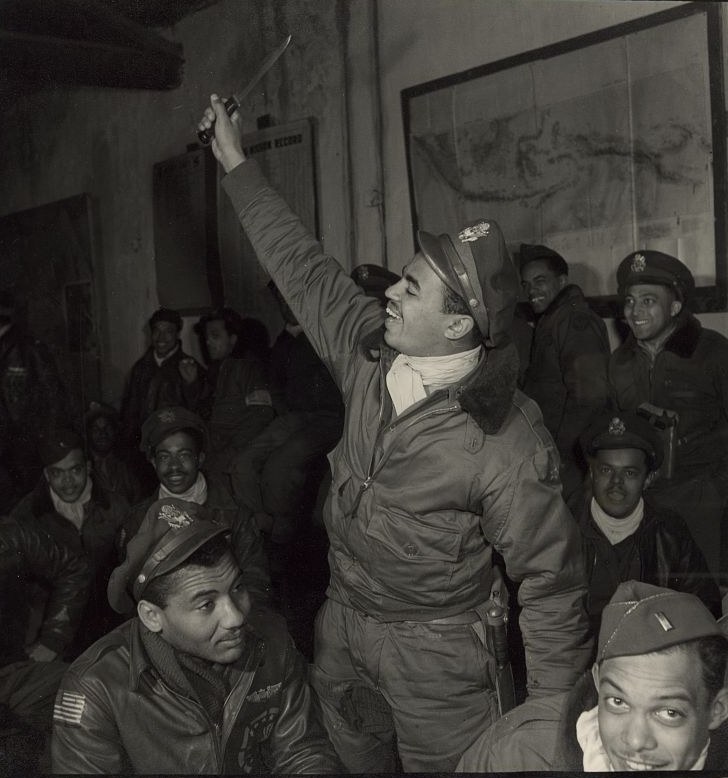
More than 16,000 people served in the program. Its fighter groups destroyed 262 German aircraft in World War II. Daniel “Chappie” James Jr., who trained and taught at Tuskegee, became the Air Force’s first Black four-star general.
U.S. Air ForceNational Park ServiceOn April 15, 1947, Robinson debuted with the Brooklyn Dodgers at Ebbets Field and broke baseball's color line.
Library of Congress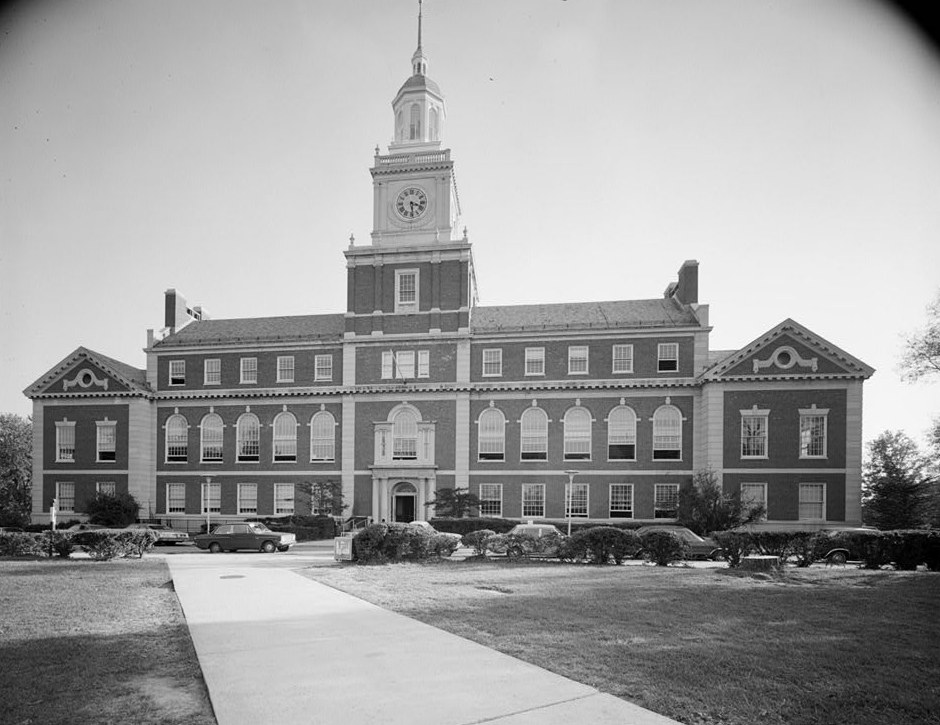
Historically Black colleges and universities in 19 states, D.C., and the U.S. Virgin Islands enrolled about 289,000 students in 2022.
National Center for Education StatisticsIn 1966, more than 60 quilters from Gee's Bend, Alberta, and nearby communities pooled their work into a cooperative, one of the few run by Black women anywhere in the country. Membership grew past 150, the Bee brought steady income home, and its patchwork helped spark a national revival of the craft. The members broke ground on their own sewing center in Alberta in 1969. It is a museum today.
Visit the Freedom Quilting Bee museumFreedom Quilting Bee Legacy · Gee's Bend Welcome Center exhibit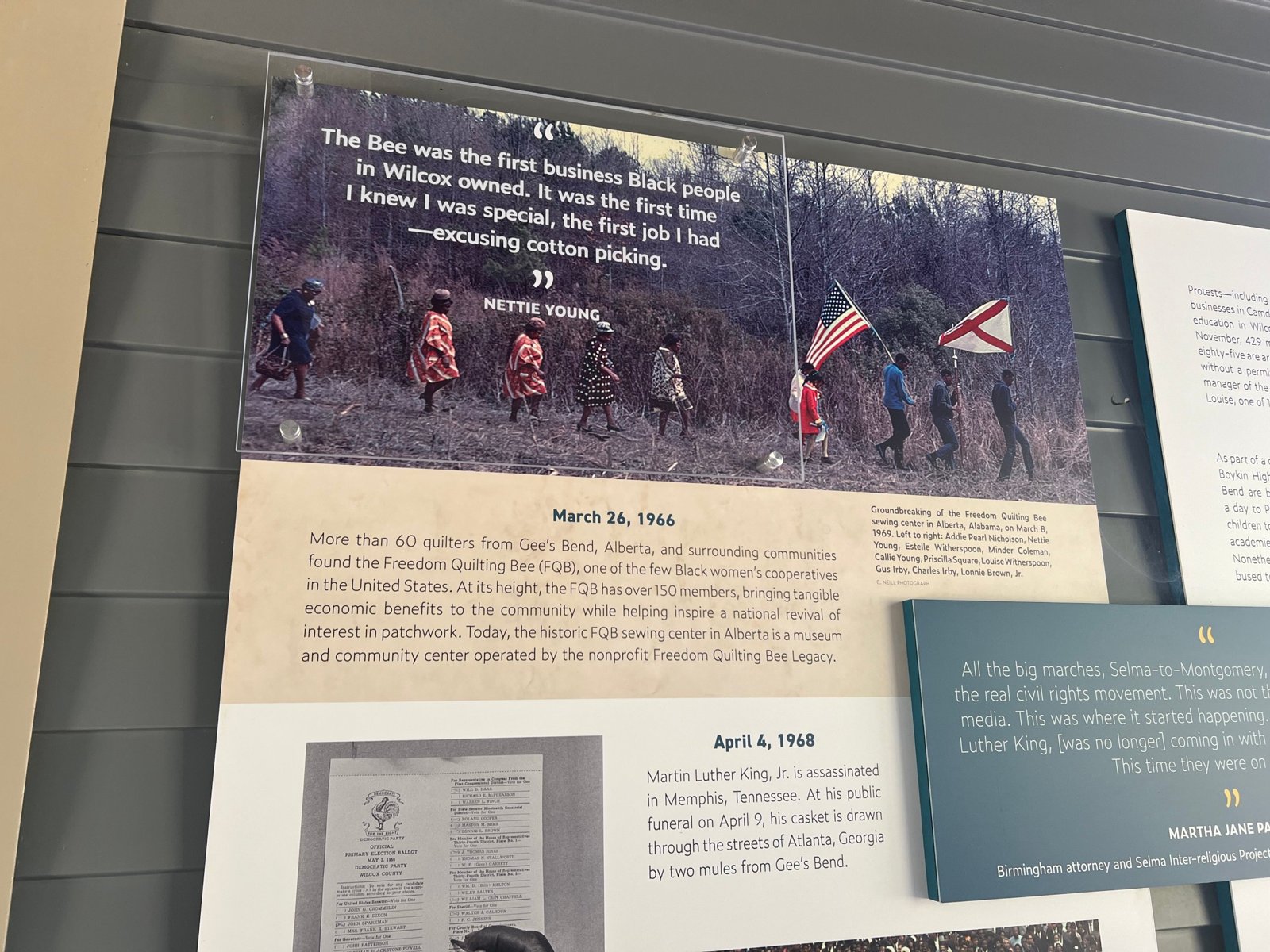
Black Americans who left the South for cities in the North and West.
Source: U.S. Census BureauMobile, Montgomery, Selma, Birmingham, and Tuskegee hold some of the most important civil rights and freedom sites in the country, and they can be visited on one route.
The story of the Clotilda and the town its survivors founded, with pieces of the ship.
The first national memorial to victims of racial terror lynching, opened in 2018.

Where about 600 marchers were attacked on Bloody Sunday, March 7, 1965.
The 1963 bombing killed four girls. The Civil Rights Institute anchors the same district.
Moton Field, where nearly 1,000 Black pilots began flight training in World War II.
After Africatown, find Black-owned restaurants, shops, and this week's events in The Mobile Edit.
Explore Mobile today From House of Salt & Noir, our sister guide to cities, culture, and business.Captive Africans from the Ndongo kingdom are brought ashore in the Virginia colony.
Takes effect January 1 in Confederate-held territory.
Slavery is abolished when the amendment is ratified on December 6.
Hiram Revels of Mississippi becomes the first Black American senator.
The nation's oldest civil rights organization is founded.
About six million people leave the South for the North and West by 1970.
Carter G. Woodson launches the observance in February.
The Supreme Court rules school segregation unconstitutional.
Rosa Parks is arrested on December 1. The bus boycott lasts 381 days.
Signed August 6, five months after Bloody Sunday in Selma.
President Ford issues the first Black History Month message.
The Smithsonian's NMAAHC opens on the National Mall.
June 19 becomes a federal holiday.
The collections our guides are built on, and where to start your own research.
Labor contracts, marriage records, and letters from 1865 to 1872, key to tracing families after emancipation.
National ArchivesSearchable newspaper pages from 1756 to 1963, by title, state, and date.
Library of CongressSearch millions of Bureau records by name, place, and date in one place.
NMAAHCGuides to military, census, civil rights, and migration records.
National ArchivesAn original series in production. Each film will ship with a transcript, sources, and a companion guide.
The ship, the survivors, and the descendants who still live in the community they founded.
News feeds tell us what people are talking about. We report each story from primary records, museums, and archives, and we date every review.
We follow Black press and history news for openings, restorations, and archive releases.
National Park Service, Library of Congress, National Archives, state archives, and museums come first.
Original writing, with established fact kept apart from interpretation and oral history.
Sources beside the claims, and a last-reviewed date on every page.
One short story from Black American history each day in February, with a place to visit and a record to explore.
One short story from Black American history each day in February, with a place to visit and a record to explore. Free, and you can unsubscribe anytime.
We only use your email to send the letters.